

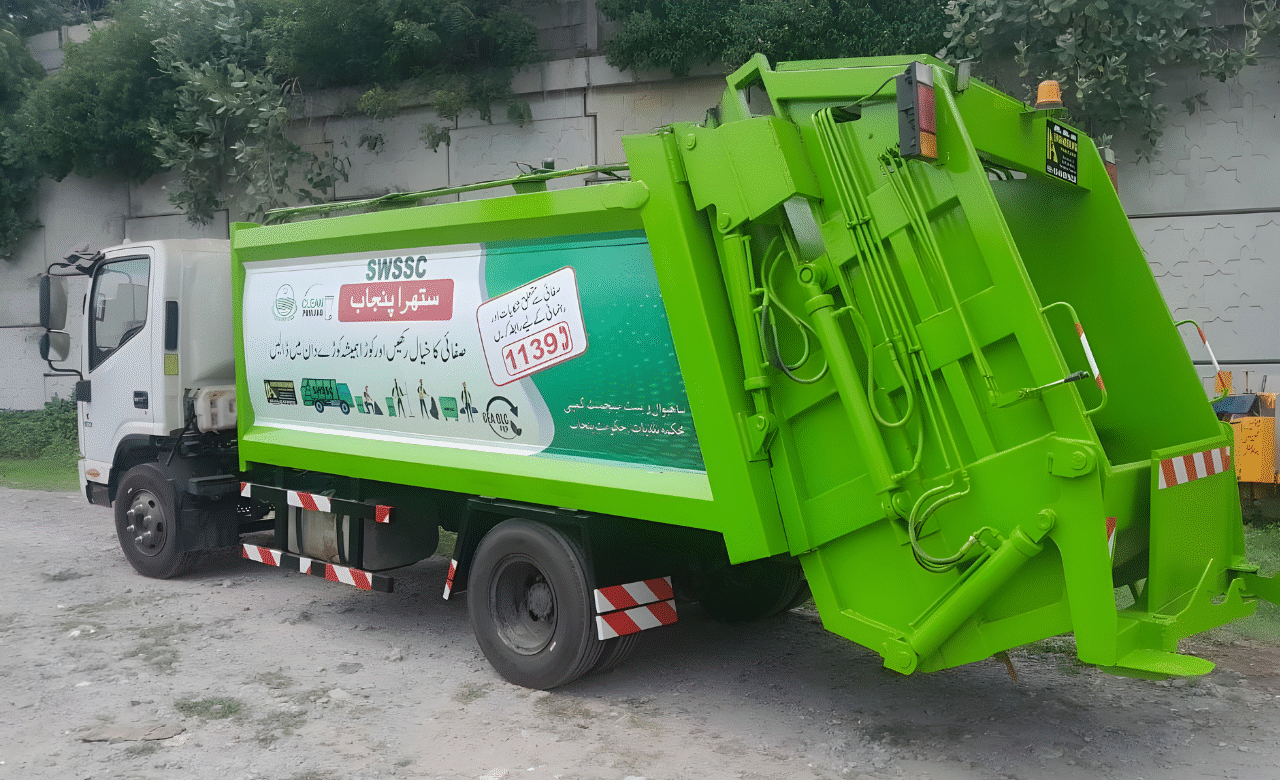
How Garbage Compactors Work: The Science of Waste Compression
In today’s world, where waste management is a growing concern, garbage compactors have become a vital part of keeping our environment clean and efficient. From households to large industries and municipalities, these machines are revolutionizing how we handle waste. But how exactly do garbage compactors work? Let’s dive into the science of waste compression and understand why these machines are essential in modern waste management systems.
Understanding the Basics: What Is a Garbage Compactor?
A garbage compactor is a machine designed to compress waste materials into smaller, denser forms. The main goal is to reduce the volume of waste, making it easier to store, transport, and dispose of. By compacting garbage, we can save space, reduce the frequency of waste collection, and minimize environmental impact.
There are different types of compactors — stationary compactors, portable compactors, and industrial compactors — each designed for specific needs. Whether used in a small restaurant or a large waste management plant, the working principle remains the same: apply high pressure to reduce waste volume.
The Core Components of a Garbage Compactor
To understand how garbage compactors work, let’s look at their key components:
- Hydraulic System
This is the heart of the compactor. Hydraulic cylinders provide the force needed to crush and compress the waste. The pressure can vary depending on the size and type of the compactor. - Ram (or Compaction Plate)
The ram is a heavy steel plate that moves forward and backward to apply pressure on the waste. It pushes the garbage into the container, compacting it tightly. - Container or Bin
This is where the waste is collected and stored after being compacted. Once full, the container can be detached and transported for disposal. - Control Panel
Modern compactors come with easy-to-use control systems that allow operators to start, stop, and monitor the compaction process safely. - Safety Mechanisms
Since compactors operate with high pressure, they include safety switches, sensors, and emergency stop buttons to prevent accidents.
The Working Process: Step by Step
The operation of a garbage compactor is simple yet powerful. Here’s how it works:
- Loading the Waste
Waste materials such as paper, plastic, or general garbage are loaded into the compactor’s chamber. Some compactors have automatic loading systems, while others require manual loading. - Activation and Compression
Once the waste is inside, the operator starts the compaction cycle. The hydraulic system powers the ram, which moves forward to crush the waste with immense force. This compression reduces the volume by up to 80–90% in some cases. - Holding the Pressure
The compactor maintains the pressure for a few seconds to ensure maximum compression. This process eliminates air pockets and achieves a dense, compacted mass. - Retracting the Ram
After compression, the ram moves back to its original position, ready for the next batch of waste. - Disposal or Transportation
When the container is full, it can be detached and taken to a recycling facility or landfill. In industrial systems, containers are often swapped quickly to keep operations running smoothly.
The Science Behind Waste Compression
The principle behind garbage compaction is based on hydraulic pressure and material density. When force is applied to waste materials, air and gaps between particles are eliminated, leading to a significant reduction in volume.
Different materials react differently to compression — for example:
- Organic waste compresses easily because it contains moisture.
- Plastic and cardboard require more pressure due to their rigid structure.
- Metal waste needs heavy-duty compactors for effective compression.
By optimizing these factors, garbage compactors achieve high-density waste blocks that are easier to transport and dispose of.
Benefits of Using Garbage Compactors
Using garbage compactors offers several practical and environmental advantages:
- Reduced Waste Volume
Compactors can reduce waste volume by up to 80%, saving space and reducing the frequency of waste collection. - Cost Efficiency
Lower transportation and disposal costs make compactors a smart investment for businesses and municipalities. - Cleaner and Safer Environment
Compact waste means fewer overflowing bins, reduced odor, and less risk of pest infestation. - Environmental Sustainability
Compacting waste supports eco-friendly practices by reducing carbon emissions from waste collection vehicles. - Improved Aesthetics and Hygiene
Compactors help maintain a clean and organized environment, especially in commercial and public areas.
Modern Innovations in Garbage Compactors
Today’s garbage compactors are smarter and more energy-efficient than ever before. Many models now feature:
- Automated sensors that detect waste levels and start the compaction process automatically.
- Solar-powered compactors that reduce energy consumption.
- IoT connectivity, allowing remote monitoring and maintenance.
- Recycling-friendly systems, separating recyclable and non-recyclable waste during compaction.
These advancements not only improve efficiency but also make waste management more sustainable and data-driven.
Conclusion
Garbage compactors are more than just machines — they are key tools in building a cleaner, greener, and more efficient future. By understanding how they work, we can appreciate their role in reducing waste, saving resources, and protecting our environment.
Whether for residential, commercial, or municipal use, garbage compactors demonstrate the power of engineering and innovation in solving one of humanity’s biggest challenges: waste management.
