

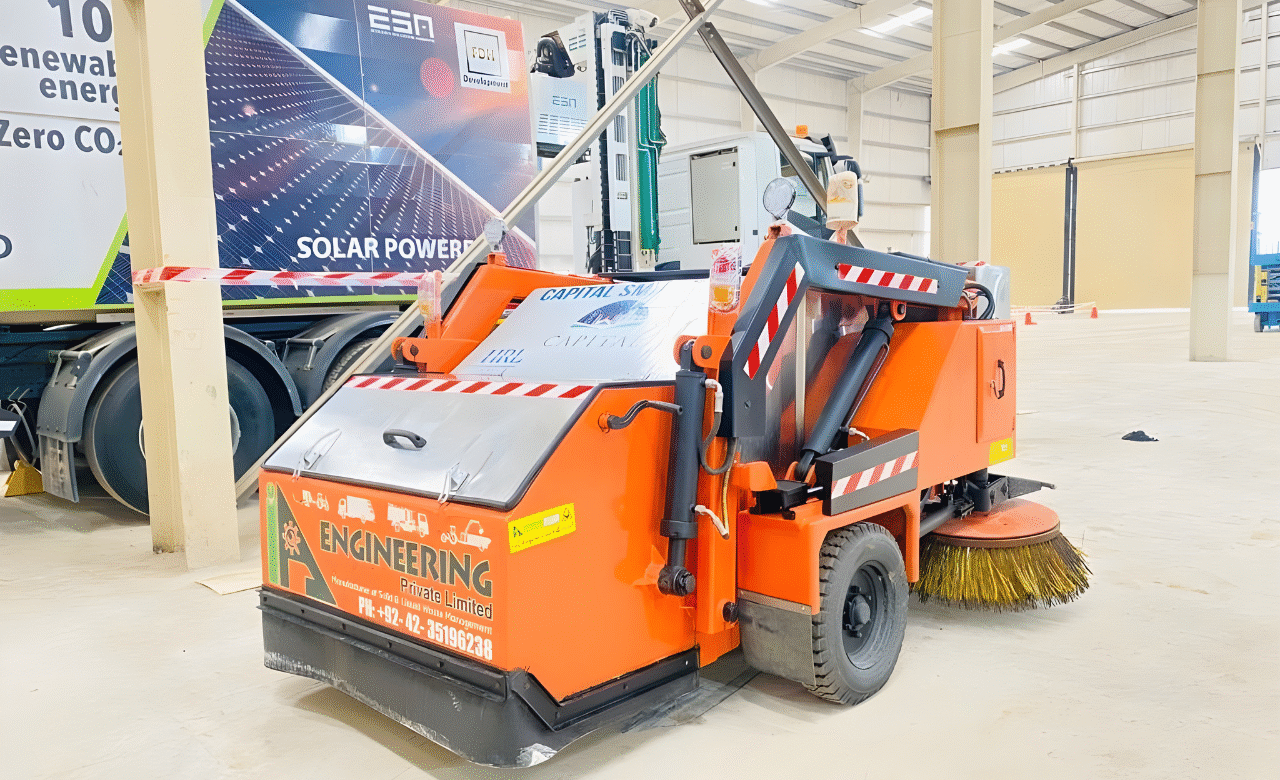
How Mechanical Road Sweepers Work: The Science of Clean Streets
Keeping our streets clean and dust-free is essential for public health, safety, and environmental protection. Mechanical road sweepers play a crucial role in achieving this by efficiently removing dirt, debris, and litter from roads, parking lots, and industrial areas. These powerful machines combine mechanical action, suction, and advanced engineering to keep our cities clean. In this article, we’ll explore how mechanical road sweepers work, their components, and why they’re essential for modern urban management.
What Is a Mechanical Road Sweeper?
A mechanical road sweeper is a specialized vehicle designed to clean roads by sweeping and collecting debris into a built-in hopper. Unlike manual cleaning, these machines can cover large areas quickly and efficiently. They are commonly used by municipalities, industrial zones, airports, and construction sites to maintain cleanliness and safety.
Mechanical sweepers operate through a combination of brushes, conveyors, suction systems, and water sprays that work together to collect dirt, dust, and waste materials.
Main Components of a Mechanical Road Sweeper
To understand how these machines operate, let’s look at their key components:
- Main Brush (or Broom)
The rotating main brush is the heart of the sweeper. It lifts dust, leaves, sand, and litter from the road surface and directs it toward the conveyor or suction nozzle. - Side Brushes
These are smaller rotating brushes located on the sides of the vehicle. They help clean the edges of roads, curbs, and corners by pushing debris toward the center for collection. - Conveyor System
Once debris is swept up, a conveyor belt or mechanical elevator transfers it into the hopper (waste storage compartment). - Hopper or Debris Container
This is where all collected dirt and waste are stored temporarily until it’s emptied at a disposal site. - Water Sprinkling System
To reduce dust during operation, water is sprayed on the brushes and road surface. This ensures cleaner sweeping and prevents airborne dust pollution.
- Suction or Vacuum System (in combination models)
Some sweepers include a vacuum system that works alongside mechanical brushes to collect fine dust particles. - Hydraulic and Control Systems
These systems power and control the movement of brushes, conveyor belts, and water pumps, ensuring smooth and efficient operation.
How Does a Mechanical Road Sweeper Work?
The working process of a road sweeper is systematic and efficient. Here’s how it happens step-by-step:
- Pre-Wetting the Surface
The sweeper sprays water to minimize dust and loosen debris. - Sweeping Action
The side brushes rotate, sweeping dirt and litter from the roadside and directing it toward the main brush. - Central Collection
The main brush picks up the debris and transfers it to the conveyor or directly into the suction nozzle. - Conveying to Hopper
The conveyor system lifts and moves the debris into the hopper. - Dust Suppression
The water spray continues to control fine dust during sweeping. - Disposal
Once the hopper is full, the collected material is transported to a designated dumping site for proper disposal.
This seamless process ensures a cleaner, safer, and more hygienic environment in less time compared to manual cleaning methods.
The Science Behind Mechanical Sweeping
The working principle of a mechanical sweeper relies on kinetic energy and air movement. The rotation of brushes generates mechanical force that dislodges dirt and litter. Simultaneously, suction and airflow guide lighter particles toward the hopper.
Water spraying reduces dust generation by binding fine particles to the ground, allowing brushes to pick them up more effectively. The integration of hydraulics ensures that each component — from brushes to conveyors — operates in perfect coordination for maximum efficiency.
Benefits of Using Mechanical Road Sweepers
- Improved Cleanliness
These machines remove fine dust, gravel, leaves, and litter — leaving roads visibly cleaner and safer. - Time and Labor Efficiency
A single sweeper can clean large areas in a fraction of the time required for manual cleaning. - Dust and Pollution Control
By reducing airborne dust, sweepers help improve air quality and reduce respiratory issues in urban environments. - Enhanced Road Safety
Clean roads prevent skidding, tire damage, and accidents caused by debris. - Environmental Protection
Sweepers prevent pollutants from entering drainage systems, protecting water bodies and local ecosystems. - Cost-Effective Maintenance
Regular mechanical sweeping extends road life by removing abrasive materials that cause wear and tear.
Types of Mechanical Sweepers
There are several types of sweepers designed for different applications:
- Compact Sweepers – Ideal for small streets and pedestrian areas.
- Truck-Mounted Sweepers – Commonly used for highways and industrial areas.
- Hydraulic Sweepers – Use hydraulic pressure for brush and conveyor operation.
- Vacuum-Assisted Sweepers – Combine mechanical sweeping with vacuum suction for fine dust removal.
Each type offers unique advantages depending on the surface conditions and debris load.
Modern Innovations in Road Sweeping Technology
Today’s sweepers are smarter and more efficient than ever. Modern features include:
- GPS and route tracking systems for optimized cleaning paths.
- Dust control sensors to automatically adjust water spray levels.
- Eco-friendly engines that meet emission standards.
- Low-noise operation for urban and residential areas.
- Smart diagnostics for real-time performance monitoring.
These advancements not only improve cleaning quality but also make operations more sustainable and cost-effective.
Conclusion
Mechanical road sweepers are a cornerstone of modern urban maintenance. Their ability to clean large areas quickly, reduce pollution, and improve road safety makes them indispensable for cities worldwide. Behind their efficient operation lies a blend of engineering precision and environmental responsibility — proving that technology can help us build cleaner, healthier communities.
